
SD Wall Panels

Comparison Guide

Acoustic slat panels vs foam: what actually works better?

A lot of buyers start by comparing acoustic slat panels with foam because both show up in search results for echo control. The better choice depends on whether you need a finished wall, a recording-room treatment, or a cleaner balance of design and sound comfort.

  • Acoustic slat panels usually win for finished spaces where looks matter
  • Foam can still fit targeted treatment inside dedicated recording or utility setups
  • Most homes, offices, lobbies, and TV walls want a more architectural result than foam provides
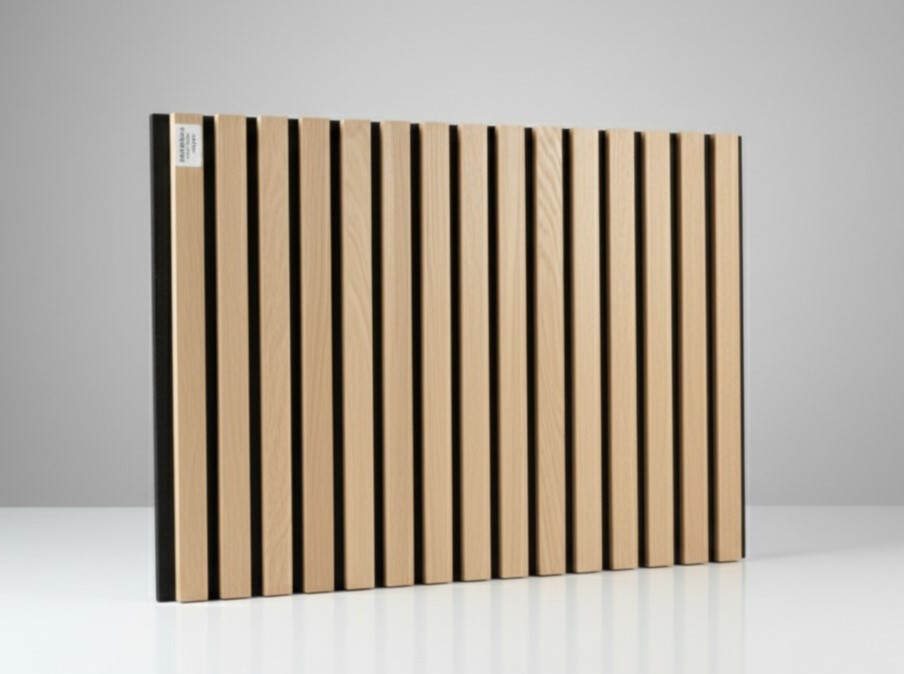
Natural oak acoustic slat wall panel
Acoustic slat panels improve sound comfort while still looking like a finished architectural wall.

Quick answer

Most finished rooms should start with slat panels, not foam

Choose acoustic slat panels when

  • You want a finished wall for a home, office, lobby, or TV area
  • You want better sound comfort without a studio-looking surface
  • You care about wood tones, felt colors, and premium edge details
  • You want one product doing both acoustic and visual work

Choose foam when

  • You need targeted treatment inside a dedicated recording setup
  • The room is highly utility-driven and aesthetics do not matter
  • You are treating very specific reflection points only
  • You already have a finished wall and just need supplemental absorption

What buyers miss

  • Foam often solves only part of the problem and can look temporary
  • Architectural spaces usually need finish quality as much as absorption
  • Premium wrapped-edge panels feel very different from commodity acoustic products
  • Room use matters more than generic soundproof marketing language

Where slat panels win

Why acoustic slat panels beat foam in most finished spaces

  1. They look like a real wall finish

    Slat wood panels are built for TV walls, offices, conference rooms, lobbies, and feature walls where the finished look matters just as much as the acoustic improvement.

  2. They improve comfort without looking temporary

    Foam often reads like a treatment layer added after the fact. Acoustic slat panels feel integrated and intentional from day one.

  3. They work better for client-facing spaces

    Reception walls, meeting rooms, hospitality projects, and upscale residential installs usually need a premium surface, not a studio pad aesthetic.

  4. They give you more finish choices

    Wood tones, felt colors, standard slat layouts, and 3-sided wrapped premium panels let buyers match the room instead of settling for black wedges.

Where foam still fits

Foam still has a place in targeted treatment setups

Foam can still be useful inside dedicated recording spaces, utility rooms, or temporary setups where appearance is secondary. If the goal is very specific point treatment and the room already has its final finishes, foam can still help.

  • Dedicated recording or editing rooms
  • Supplemental treatment after the room is already finished
  • Utility-first spaces where appearance does not matter

Need help choosing the right acoustic wall treatment?

Start with the acoustic wall panel collection, then compare finishes and panel types in person on our sample page. We can help narrow panel style, stock, and pickup timing in one conversation.